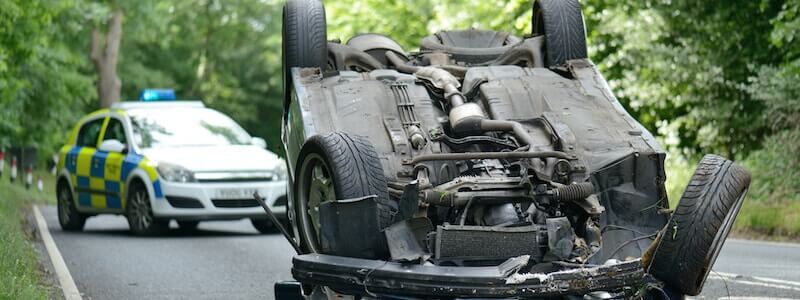


Car accidents are always frightening experiences. No matter the circumstances, they can cause a lot of damage — physical, psychological, and emotional. In a worst-case scenario, they can also be fatal. Adding to that the litigation that ensues, it’s common for people to feel overwhelmed and hopeless. But, what makes head-on collisions so dangerous? What, exactly, constitutes that type of accident? What are its causes, and what should you do after experiencing one?
Head-on collisions are the types of accidents where two vehicles driving in opposite directions crash into each other. They are one of the most dangerous types of car accidents, often leading to serious injuries, permanent disability, disfigurement, and/or death. When a person is involved in a major head-on collision, they are likely to experience the following:
There are several culprits for this type of accident — all of them including a serious mistake by one of the drivers. The most common ones include:
Everything you say or do after a car accident could have a direct impact on your case. Therefore, it’s crucial to be proactive about taking steps to protect yourself. These include:
Drivers involved in a car accident in Florida are required to provide aid to people who were injured in the crash. Florida law states that reasonable assistance includes carrying or making arrangements to take injured parties to a hospital for medical treatment if it is apparent that such treatment is necessary. Such a requirement also applies if the other person doesn’t appear to be visibly hurt but requests assistance to do so.
Florida Statute 316.062 requires drivers involved in an accident that results in injury, death, or damage to any vehicle or property, to provide their name, address, and registration number of the vehicle they were driving. If the other driver asks to see your driver’s license, you are required to show it — and the same applies if you request to see the other driver’s license.
Photograph your injuries and anyone else’s injuries. Also, take pictures of the damage to your car and the other driver’s car — and do so from all angles. Pay attention to the street name and cross streets, and take pictures of the other driver’s license and license plate number. Additionally, document the road conditions, near signage, and nearby businesses or homes with surveillance cameras.
Do this even if you think that your injuries are minor or you feel well. Adrenaline may make your body block pain, and you may be unaware of life-threatening conditions such as internal bleeding or damage to organs. In addition, relatively minor issues — such as herniated discs — could lead to further damage in the future, such as permanent nerve damage, incontinence, and/or chronic back pain. It’s also essential to see a doctor within 14 days from the date of the accident, since failing to do so could lead to your insurance company automatically denying your claim.
A head-on collision can bring along with it significant damage — to your physical and mental health, as well as the health of any loved one who was in the car with you at the time of the accident. You have to keep in mind how those injuries affect you now and how they may affect you in the future. These are things that are difficult to negotiate when you don’t know what may be at stake. An attorney will keep all of these factors top of mind and explain the entire process to you.
Every case is different, and there are many factors when it comes to determining who’s at fault. All of the pieces of the puzzle start coming together after the crash when you start taking into account all of the relevant circumstances. However, fault is easier to determine in head-on collisions due to the nature of the accident — such as when the crash was caused by someone entering a freeway from an off ramp.
You also have to take into account whether anything else contributed to that negligence, such as driving under the influence or no road signs. This can be determined by blood alcohol level tests, surveillance videos, and/or witness testimony.
An attorney can help by starting a legal process called discovery. This is when they can subpoena records and witnesses, take photographs of the scene of the accident to determine whether there’s an absence of signs, and depose (take the sworn testimony) of the other driver and/or medical providers. An experienced attorney would also help you negotiate a settlement.
An experienced car accident attorney will also let you know when it would be unwise to make a statement or offer information that wasn’t requested. They will guide you every step of the way, protecting your best interest throughout litigation — keeping in mind your present and future consequences of the crash.
If you or someone you love has been involved in an accident, call us at (855) 680-4911 or schedule a free consultation. At Hartpence Law, we have experienced attorneys who regularly represent clients involved in motor vehicle accidents, and we can help you determine the best next step.
Disclaimer: This blog is for informational purposes only and does not create an attorney/client relationship.